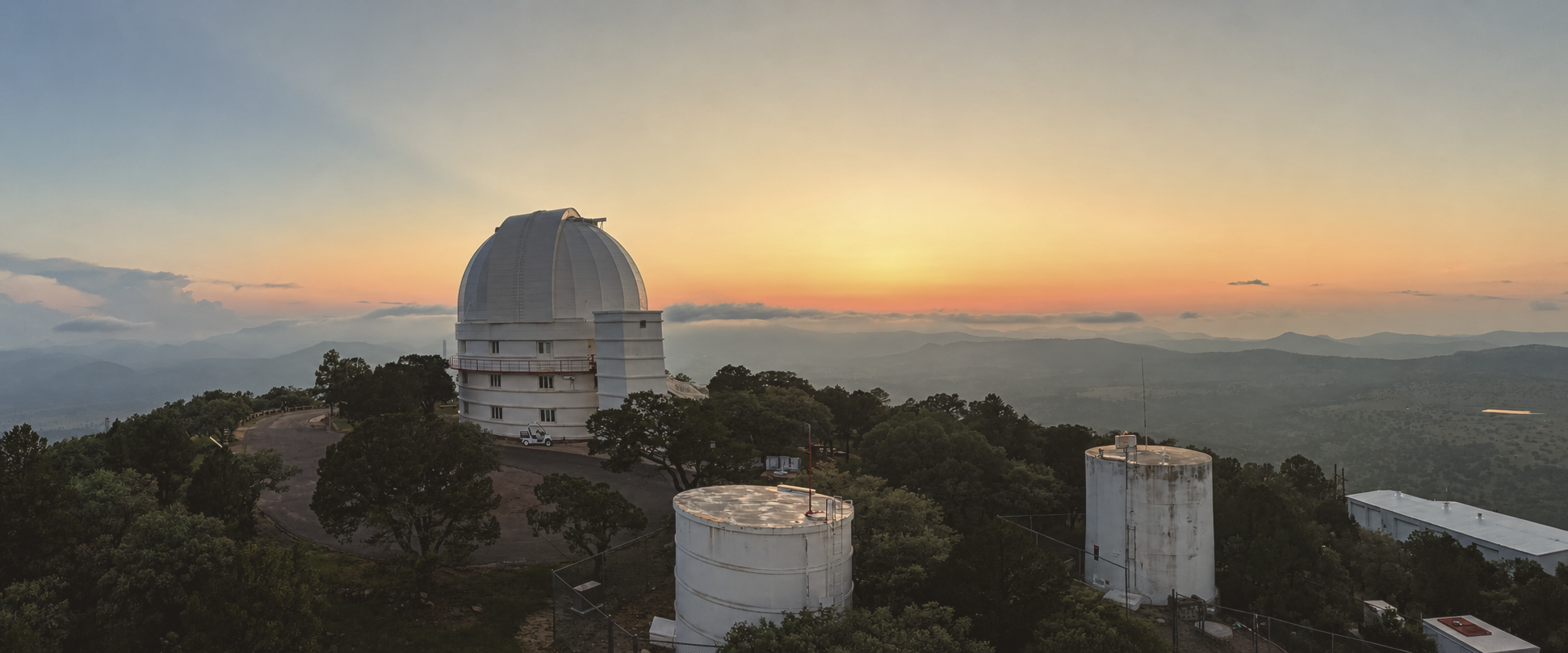
McDonald Observatory’s 2.1m telescope, as seen from the catwalk of the 2.7m telescope.
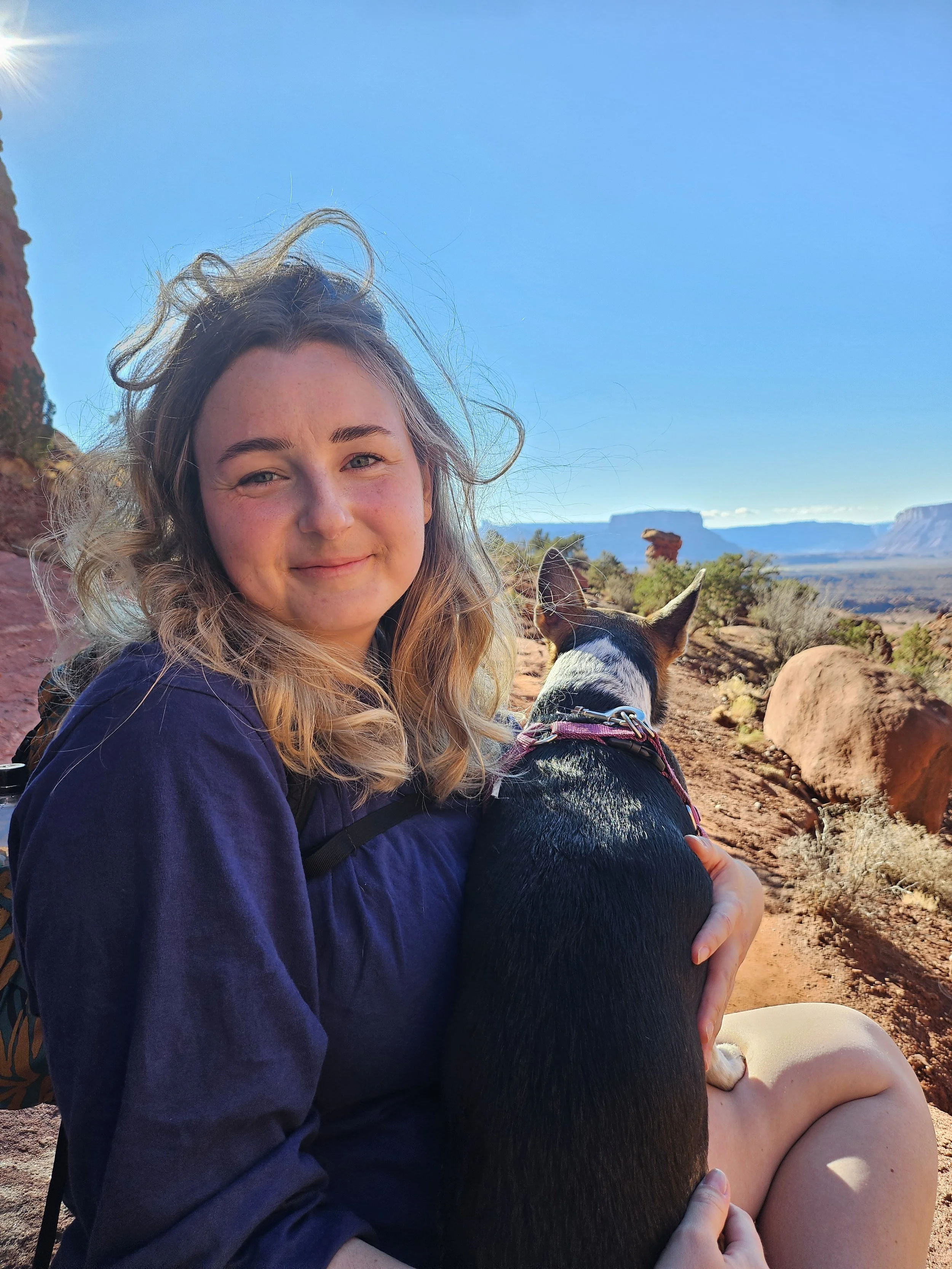
Catherine and her pup Pepper at Fisher Towers in Southern Utah.
About Me
I am an astronomer.
I am an NSF Astronomy and Astrophysics Postdoctoral Fellow based at the University of Utah. I received my PhD in Astronomy from the University of Texas at Austin in 2024 where I was advised by Prof. Keith Hawkins and Prof. Harriet Dinerstein.
I am an observer.
I collect and analyze data from telescopes to study the cosmos. Most of my work involves analyzing high resolution optical spectra of stars to determine their chemical compositions and interpreting those compositions to learn about the Universe.
I am a Galactic Archaeologist
I study the chemical compositions of stars to understand how the chemical elements of the periodic table were created and how our Milky Way has evolved into what it looks like today.
Research
My ultimate research goal is to translate the present-day chemical compositions of stars into a detailed record of the cosmic events that left their chemical imprints on the gas and stars of our galaxy. To do that, we must answer the following questions:
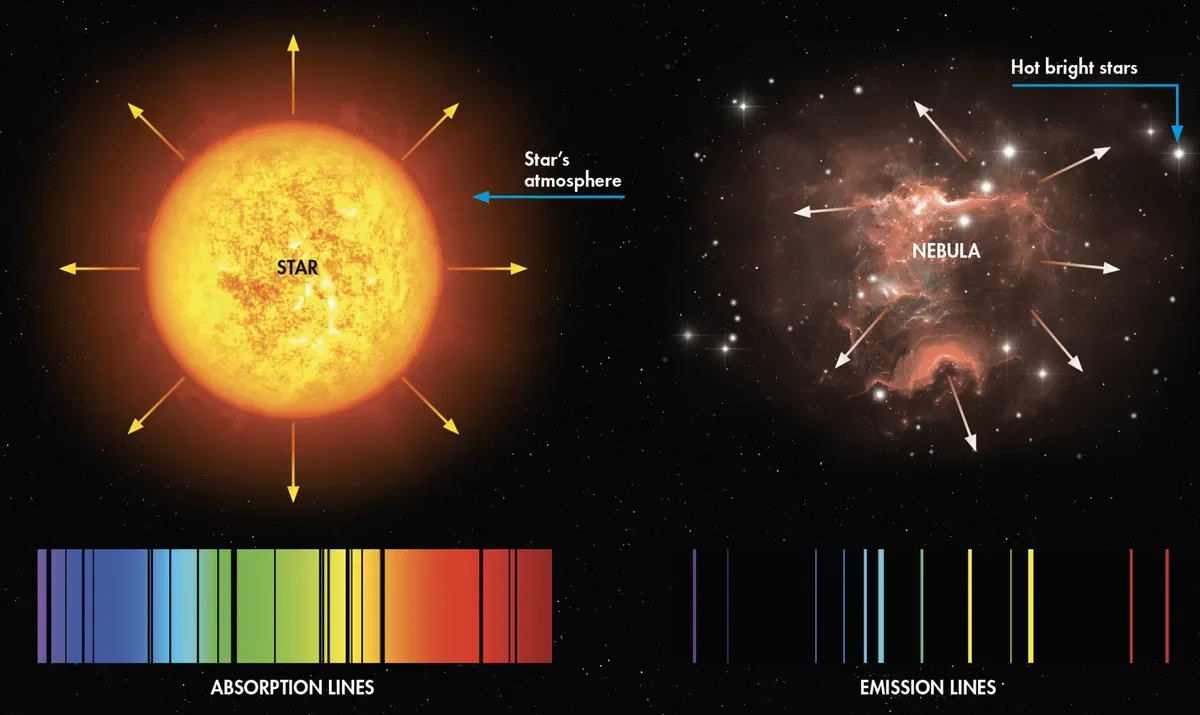
I collect and analyze stellar spectra to constrain stellar compositions and learn about the origin of the chemical elements and the evolution of our Milky Way. Credit: Will Gater
-
Stars and stellar explosions are responsible for creating most of the elements in the periodic table. However, the specific cosmic events that synthesize elements and the details of their nucleosynthetic output (which elements and how much of each) remains an active area of study. Understanding the nucleosynthetic output of stars and their explosions is critical for developing representative, physically-motivated models of Galactic chemical evolution.
Asymptotic giant branch (AGB) stars play an important role in the synthesis of elements. The end life stage of stars above ~0.8 solar masses, AGB stars produce half of the Galactic reservoir of elements heavier than iron via the slow (s-) neutron-capture process. Much of my work focuses on AGB stars and their chemical output. The following works used stars and nebulae as cosmic probes of AGB star nucleosynthesis. Most recently, I have been interested in constraining the occurrence and chemical output of the intermediate neutron-capture process (i-process) in solar-metallicity AGB stars.
→ Manea C., McKenzie M., Sinha A., et al., in prep: “Signatures of i-process Nucleosynthesis in Metal-rich Barium Stars with GHOST”
→ Levine J., Manea C., et al. 2026: “Barium Stars Across the Milky Way: Probing Their Origins via the GALAH Survey”
→ Manea C., et al. 2022b: “Chemical Abundances of Eight Highly-extincted Milky Way Planetary Nebulae”
-
Stars serve as chemical time capsules that preserve the composition of their birth environment. By studying the compositions of stars with different ages, we can trace the chemical evolution of our Milky Way over time. I am constructing a high precision chemical abundance catalog of a few thousand stars in the Solar neighborhood. What sets this catalog apart from most is that I am determining abundances differentially, which is a technique that enables exceptionally high precisions and accuracies that are impossible using standard techniques. Once completed, this will be the largest differential abundance catalog to date and enable unprecedented high precision constraints of our Solar neighborhood’s chemical history.
→ Manea C., Bedell M., Zasowski G., McKenzie M., et. al. 2026, submitted to MNRAS. “Recording the Solar Neighbourhood’s Chemical Evolution through Differential Abundances of 1,171 Twin Stars”
I am particularly interested in the behavior of neutron-capture elements among Galactic disk stars. I have several works that highlight the distinguishing power of neutron-capture elements among Milky Way stars, illustrating their distinct nucleosynthetic origins and evolution.
→ Manea C., et al. 2025: “Optical Spectroscopy Reveals Hidden Neutron-capture Elemental Abundance Differences among APOGEE-identified Chemical Doppelgängers”
→ Manea C., et al. 2024: “Chemical Doppelgangers in GALAH DR3: The Distinguishing Power of Neutron-capture Elements among Milky Way Disk Stars”
→ Manea C., et al. 2022a: “A GALAH view of the chemical homogeneity and ages of stellar strings identified in Gaia”
-
Historically, chemically characterizing brown dwarfs and exoplanets has been impossible as we did not have the data or tools to do it. Thanks to advancements in instrumentation (e.g., JWST) and chemical characterization techniques (e.g., atmospheric retrievals), we are well-posed to study exoplanet and brown dwarf compositions. However, chemical characterization of these systems is still difficult. For brown dwarfs and exoplanets with associated FGK-type host stars, we can use the chemical composition of the host star to anchor and calibrate the bulk compositions of these lower mass companions. Furthermore, differences between the composition of a host star and its lower mass companion can trace formation pathways. I have been collaborating with brown dwarf and exoplanet experts across the US to chemically characterize the FGK hosts to these lower mass objects.
→ Phillips C. L., Bedell M., Manea C., et al., 2026, ApJ, 1008, 67. “Benchmark Brown Dwarf Systems. I.Chemical Abundance Analysis of FGK Stars with Wide-separation Brown Dwarf Companions Using PEPSI”
→ Rothermich A., Faherty J., Burningham B., Manea C., et al., 2026, Accepted to AASJournals. “Sinking Silicates I: Characterizing the benchmark system containing the T0 brown dwarf CWISE J210640.16+250729.0 using JWST”
→ Zhang Z., Molliere P., Hawkins K., Manea C., et. al, 2023 “ELemental abundances of Planets and brown dwarfs Imaged around Stars (ELPIS). I.”
Mentoring
Past and current undergraduate students and projects:
Working with students is my favorite part of my job. I have been fortunate enough to serve as the primary advisor to seven undergraduate students. Below are their names and the research questions we worked on together.
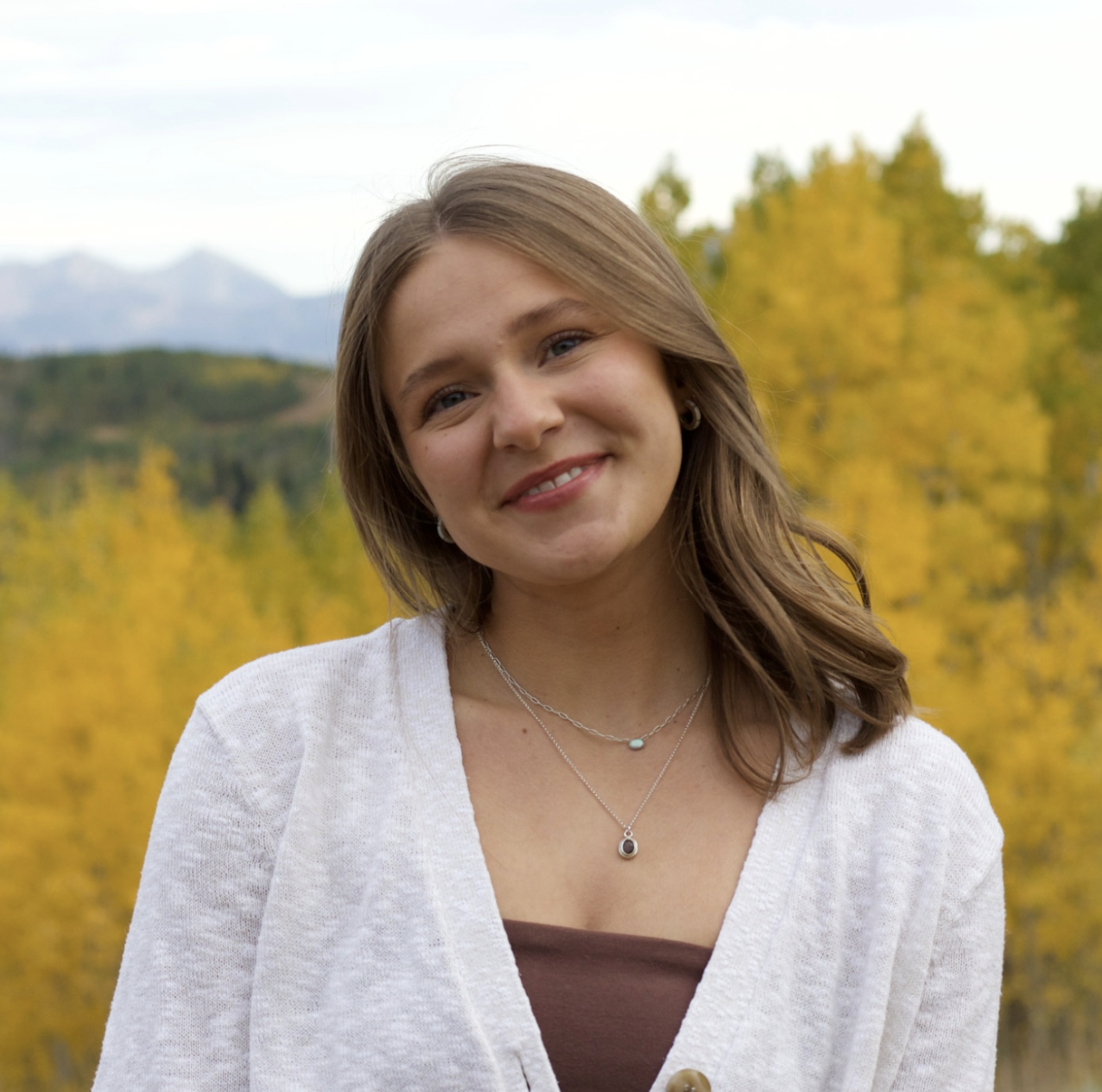
Ellie Mebius
University of Utah
2026-ongoing
“Why are some stars enhanced in refractory elements while others are not, and how unusual is our Sun?”
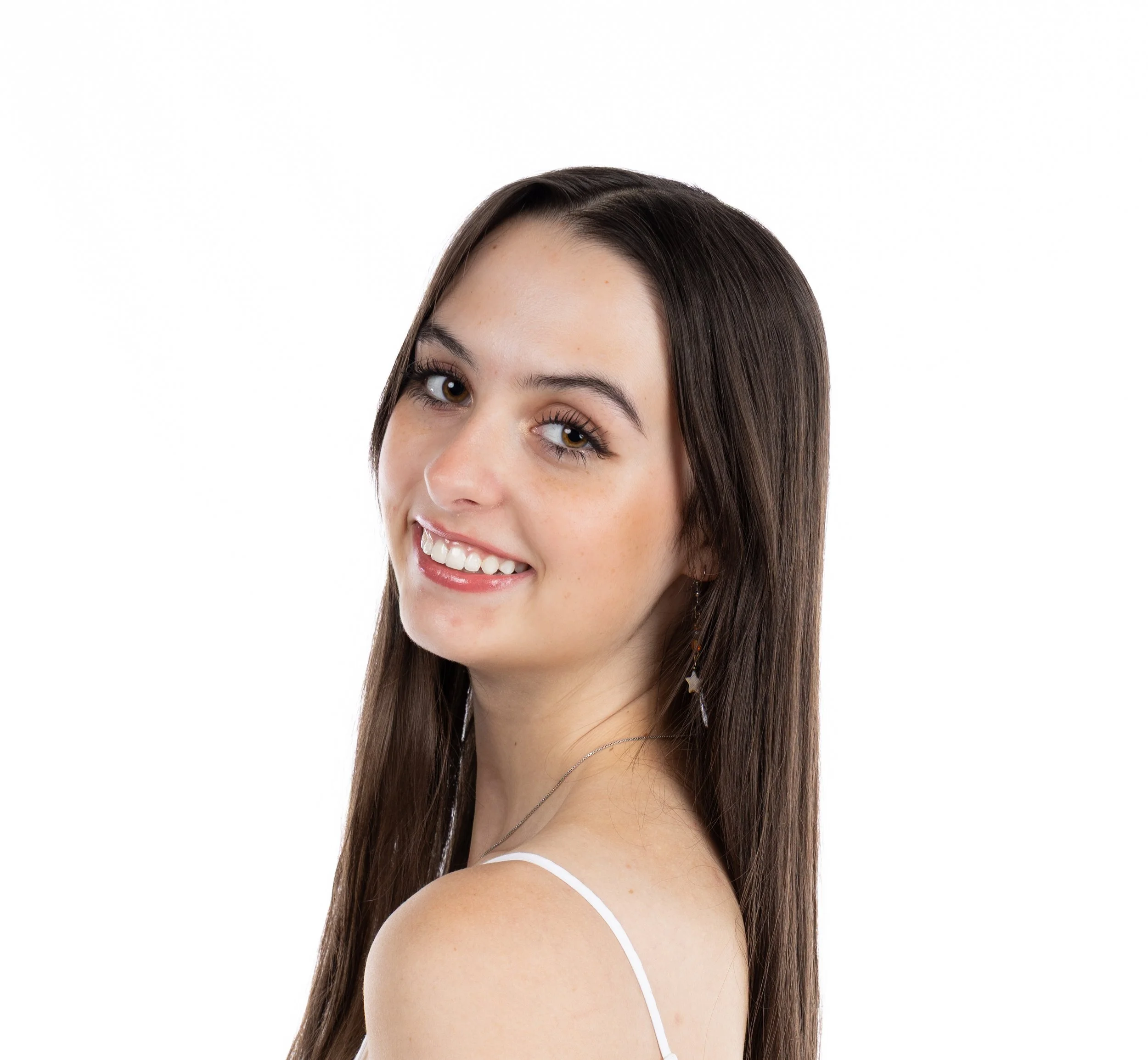
University of Utah
2026-ongoing
“What causes some stars to be extremely rich in the element lithium?”

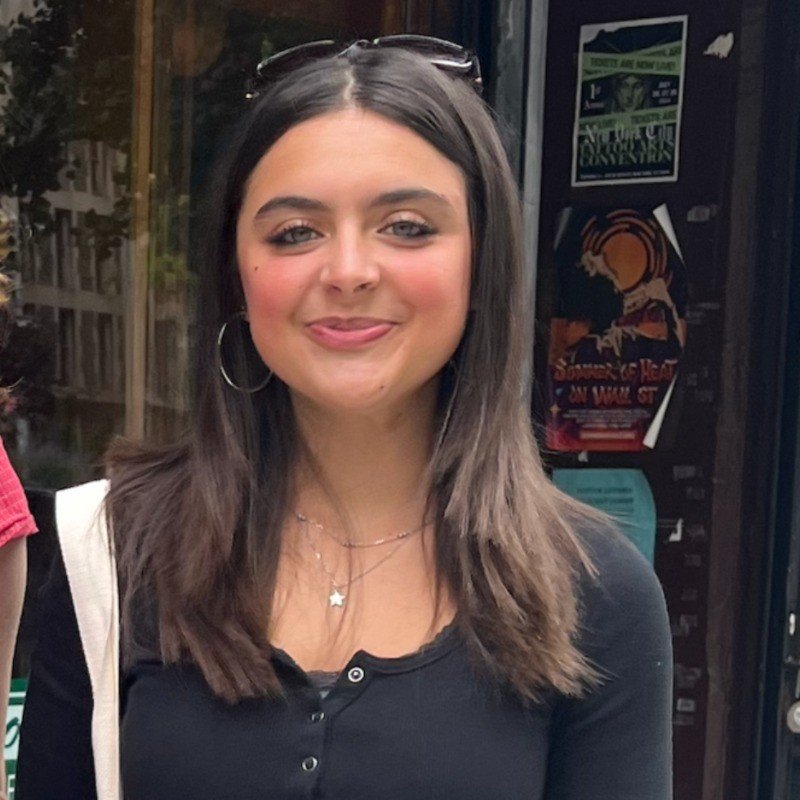
Okerike Nyambane Onchiri
Columbia University
2025-ongoing
“Can we predict a star’s dynamical behavior in the Milky Way using just its chemical compositions?”
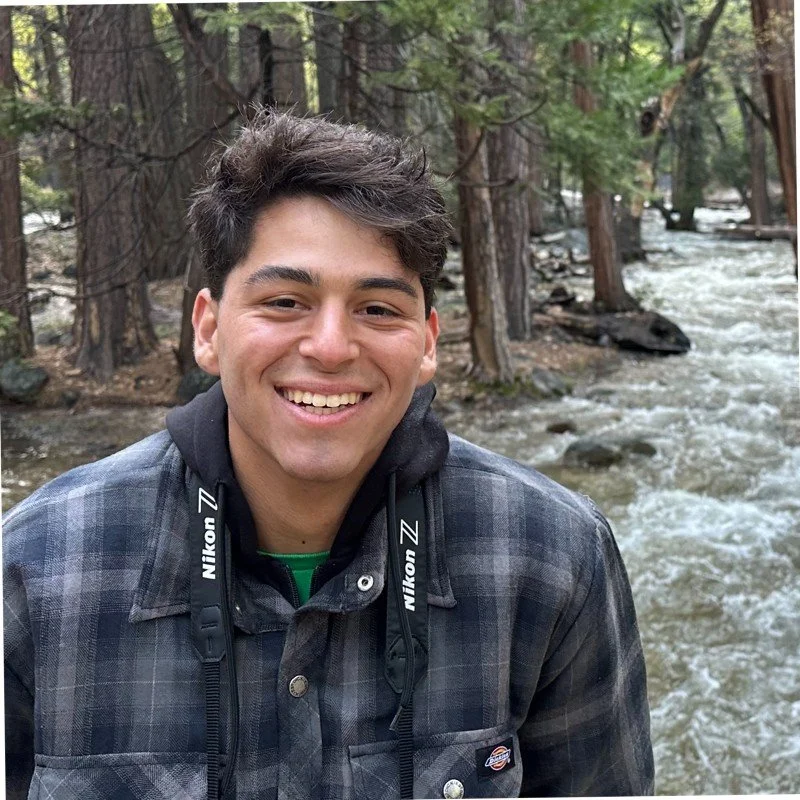
Chloe Renard-Robins
Columbia University
2025-2026
“Can neutron-capture elements help us better identify groups of stars that formed together in the Milky Way?”
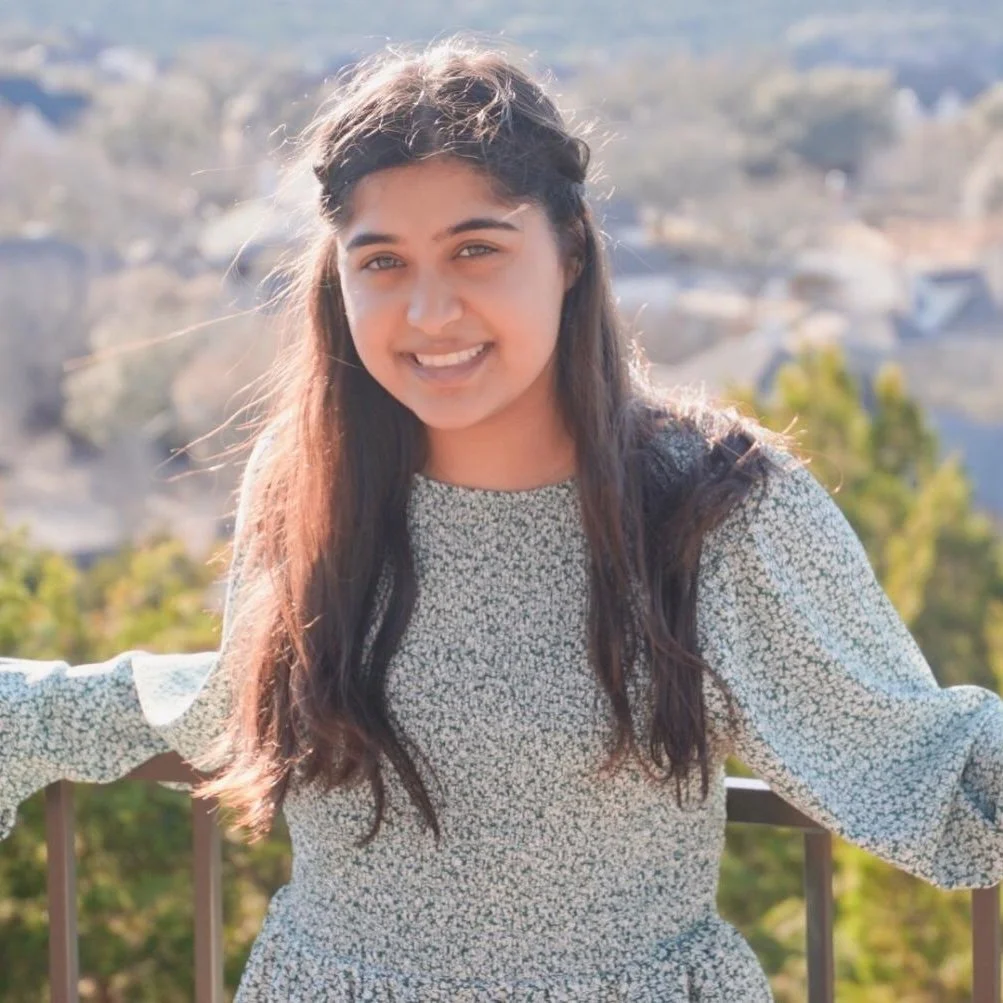
Jaden Levine*
University of Texas at Austin
2022-2026
“Why are some stars extremely rich in the neutron-capture elements, and how many such stars exist in our Milky Way?”
*Now a PhD student at New Mexico State University
University of Texas at Austin
2023-2024
“How do star clusters become dissipated into the Galactic disk, and what can we learn from the tidal tails of open clusters?”
*Now a PhD student at the University of Arizona

Emily Wade
University of Texas at Austin
2021-2023
“Are there extremely fast-moving stars in our Milky Way, and if so, why?”
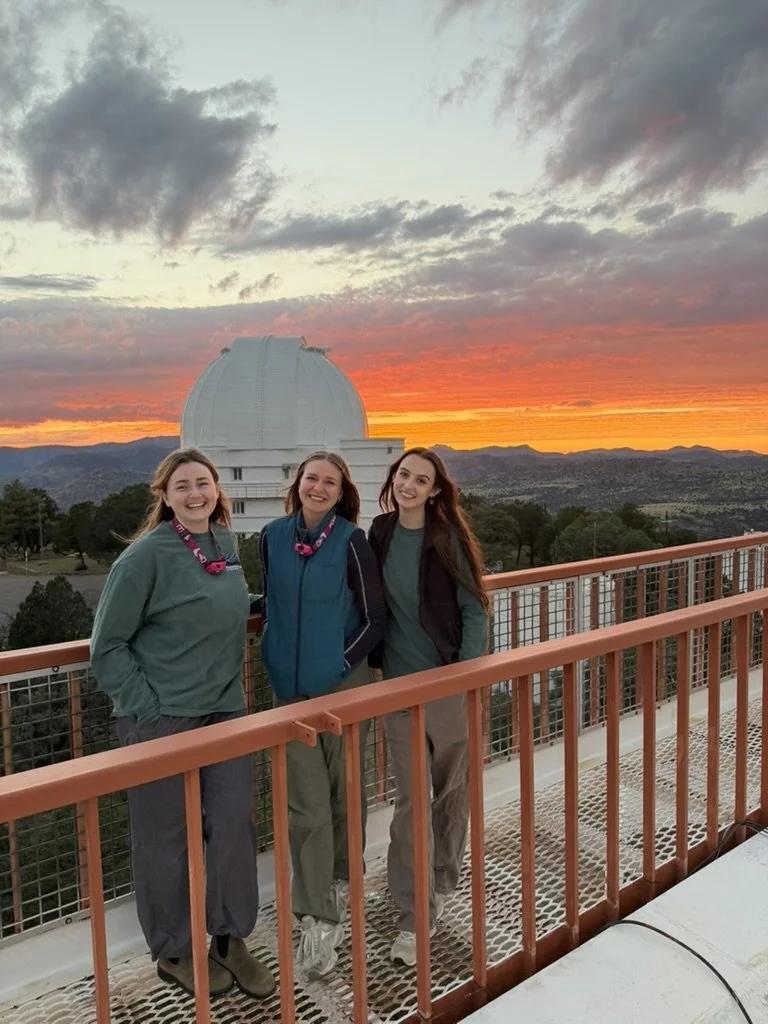
In October 2026, I was fortunate enough to fly two of my students to McDonald Observatory and teach them how to observe with the Tull Coudé Spectrograph on the Harlan J. Smith 2.7m telescope. (From left to right: Catherine Manea, Ellie Mebius, and Aleksandra Winkler)
Project BUILD
A mentoring skill-building group for astronomers
Beyond directly mentoring students, I am passionate about the mentoring process in general. My mentors have been fundamental to my development into the independent astronomer I am today. Effective mentorship is needed at all levels in astronomy, yet astronomy-specific mentorship training opportunities are limited. To address this, I co-founded Project BUILD in 2024 alongside Prof. Kathryn Johnston at Columbia University.
Project BUILD is a discussion group aimed at developing research mentoring skills among graduate students, postdocs, and faculty. I served as sole lead facilitator for Project BUILD in its first two years, growing it from a localized in-person discussion group at Columbia to a cross-institutional virtual group with participants across nearly ten universities. Currently in its third year, Project BUILD continues to expand, with two additional facilitators having joined the team (Nicole Firestone at Rutgers and Emily McPike at City University of New York) and a growing network of over 50 individuals.
Some recent meeting topics we have covered:
Identifying and addressing challenges in the mentoring relationship (roleplaying exercises)
Writing effective letters of recommendation (faculty panel)
Mentoring compacts and statements (workshop)
Attributes of effective mentoring (journal club)
Designing an undergraduate research project (workshop)
Setting goals and expectations (discussion)
Interested in learning more?
Here is a link to our Google Drive which contains all past and current Project BUILD materials, including slides, handouts, and case studies.
Interested in participating?
Here are links to join the mailing list and Slack space.
Science Communication
I believe that communicating research to the public is every scientist’s responsibility.
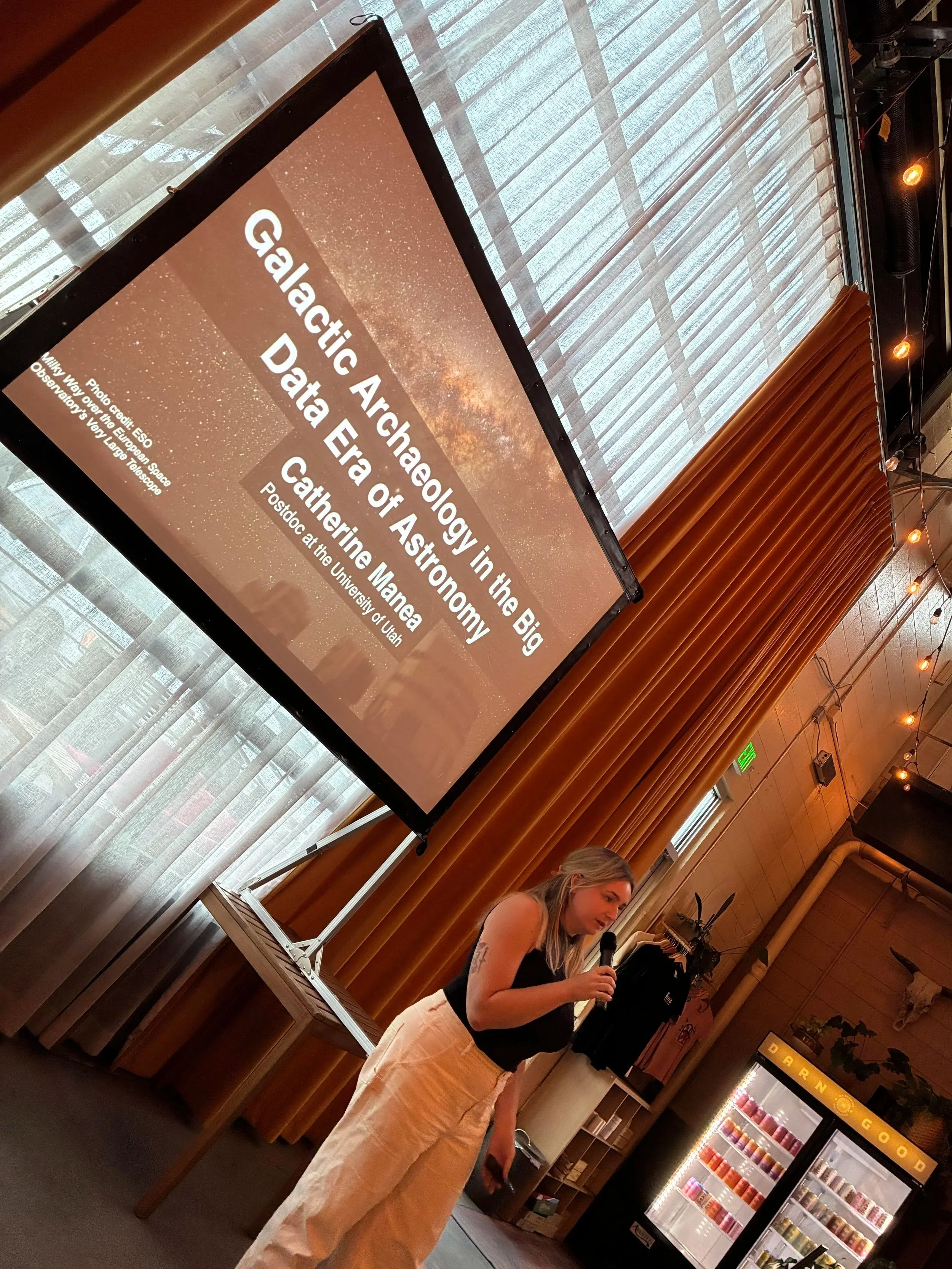
Catherine giving an Astronomy on Tap talk in Salt Lake City, Utah.
Photo Credit: Amaya Sinha
Science is not meant to be restricted to experts and veiled behind jargon. Furthermore, in the current era where science funding is facing threats, it is important for the voting public to see the importance of funding science. I love giving public science talks and always accept invitations to give them when I can. For example, see a recording of my recent public talk at Columbia University here!
I also enjoy written science communication. Between 2020 and 2023, I was a full author at Astrobites. Astrobites is a graduate student-run website that posts bite-sized summaries of new astronomy research. I enjoyed making high-level science accessible for those outside/newer to the field. Here is a selection of some of my posts: